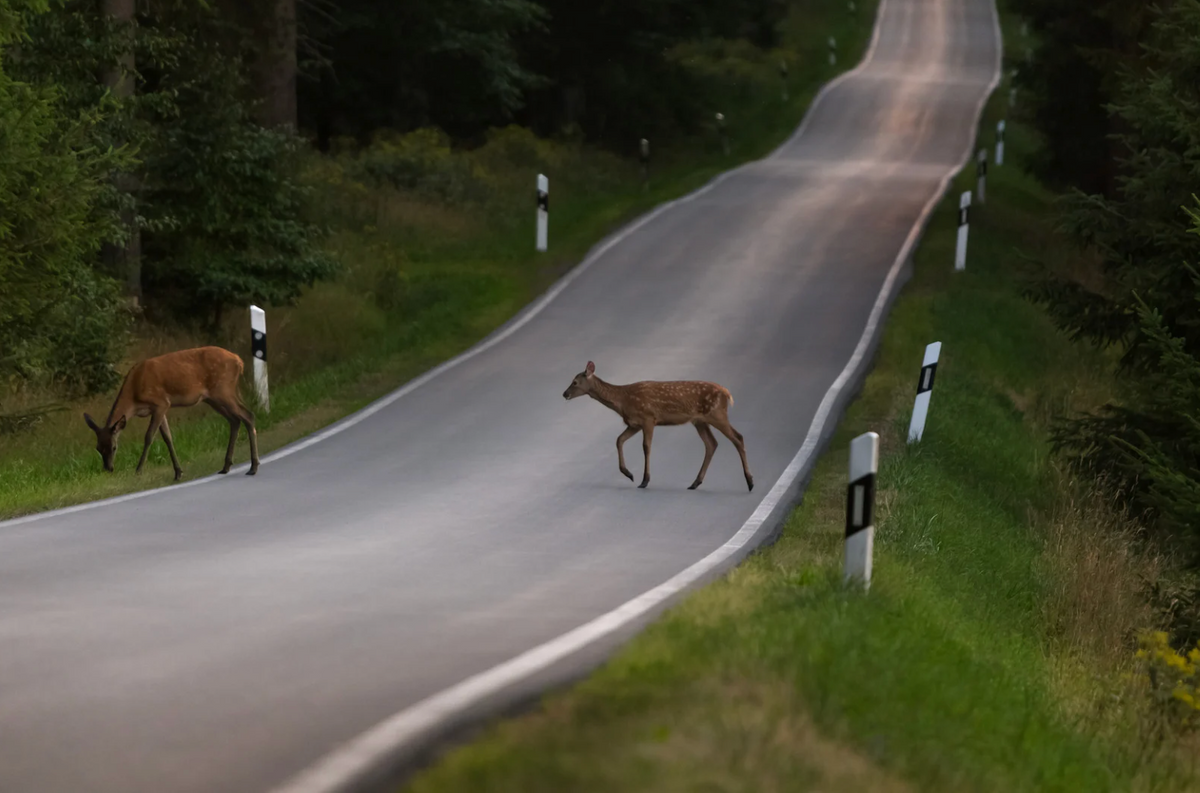
If you drive the foothill routes east of Visalia, like Highway 198 toward Three Rivers, Highway 216 through Woodlake, or Highway 65 between Porterville and Bakersfield, you've probably had a close call with a deer. When a close call turns into an impact, one question comes up fast: does auto insurance cover hitting a deer?
The short answer is yes, as long as you carry the right coverage. Here's how animal collisions are handled, what to do if it happens to you, and how to lower your odds of a strike on rural Central Valley roads.
Key Takeaways
Hitting a deer is typically covered under comprehensive coverage, not collision.
Liability-only policies won't pay for damage to your own car after an animal strike.
Swerving to avoid a deer and hitting a tree or guardrail is usually a collision claim instead.
Deer are most active at dawn and dusk, and fall is a high-risk season on foothill roads.
Take photos, report the incident, and call your agent before starting repairs.
Does Auto Insurance Cover Hitting a Deer?
It depends on which coverages are on your policy. According to the Insurance Information Institute, comprehensive coverage pays for damage to your car caused by events other than a collision with another vehicle or object, including fire, theft, falling objects, and hitting an animal.
That means:
If you have comprehensive coverage, damage from hitting a deer is generally covered, minus your comprehensive deductible.
If you only carry liability coverage (California's legal minimum), your policy won't pay to repair your own car. Liability only covers damage you cause to other people and their property.
If you financed or leased your vehicle, your lender almost certainly requires comprehensive and collision coverage, so you're likely already protected.
Comprehensive vs. Collision: Why It Matters for Animal Collisions
Comprehensive and collision are both "physical damage" coverages for your own car, but they're triggered by different events. The difference matters because each one can carry a different deductible.
Usually covered under comprehensive:
You hit a deer, coyote, or other animal
A deer runs into the side of your parked or moving car
You hit livestock that got loose on the road (the owner's liability may also come into play)
Usually covered under collision:
You swerve to miss a deer and hit a tree, fence, or guardrail
You swerve to miss a deer and hit another car (plus liability for the other car's damage if you're at fault)
This is why many safety experts advise against swerving. Braking firmly and staying in your lane is often safer, and hitting the animal keeps the claim under comprehensive, which can mean a lower deductible and fewer rate consequences than an at-fault collision claim.
What Counts as an Animal Collision?
Most insurers treat any direct contact between your vehicle and an animal as an animal collision, whether it's a deer, elk, coyote, dog, or cow. In the Central Valley, it's not just deer: loose cattle on rural roads in Tulare and Kern counties can cause serious damage too.
What matters is whether your car actually made contact with the animal. If there was no contact and you left the road or struck another object, it's generally handled as a collision claim.
What to Do If You Hit a Deer
Pull over safely. Turn on your hazard lights and move off the roadway if you can.
Don't approach the animal. An injured deer can kick and cause serious injury. Call local law enforcement or the CHP if it's blocking the road.
Check for injuries and call 911 if anyone is hurt.
Document the damage. Photograph your car, the scene, and any animal hair or marks on the vehicle. These details help show the damage came from an animal strike.
Check whether your car is safe to drive. Look for leaking fluids, damaged lights, or a hood that won't latch before driving away.
Call your insurance agent to start a comprehensive claim before scheduling repairs.
Safe Driving Tips for Rural Central Valley Roads
Deer are most active around sunrise and sunset, and activity tends to pick up in the fall during mating season. The foothill corridors leading into Sequoia National Park and the Sierra Nevada see plenty of wildlife crossings. A few habits can lower your risk:
Slow down at dawn and dusk, especially on two-lane foothill highways.
Watch for deer crossing signs. They're posted where crossings are common.
Use high beams when there's no oncoming traffic. They can help you spot eye shine earlier.
Expect more than one. Deer often travel in groups, so if one crosses, slow down for the others.
Brake, don't swerve. Swerving can send you into oncoming traffic or off the road.
Always buckle up. Seat belts matter most in sudden stops and single-vehicle crashes.
Is Comprehensive Coverage Worth It for Central Valley Drivers?
For many drivers, yes. Beyond animal strikes, comprehensive also covers theft, vandalism, fire, hail, and falling objects. If your car would be hard to replace out of pocket, comprehensive is usually worth the cost. Raising your deductible can help lower the premium if budget is a concern.
Not sure what's on your current policy? Our team at Abraham Guillen Insurance can walk you through your auto insurance options and help you choose deductibles that fit your budget. Reach out to our Visalia office or call (559) 839-2020.
FAQ
Will hitting a deer raise my insurance rates?
Comprehensive claims are generally viewed as not-at-fault, so they're less likely to affect your rates than an at-fault collision. Every insurer is different, so ask your agent how claims are handled on your policy.
Do I need to report hitting a deer to the police?
It's not always required, but it's a good idea if the animal is blocking traffic, anyone is hurt, or damage is significant. A report can also support your insurance claim.
What if I hit a deer with liability-only coverage?
Liability won't cover damage to your own car. You'd pay for repairs out of pocket, which is one reason many drivers add comprehensive coverage.