
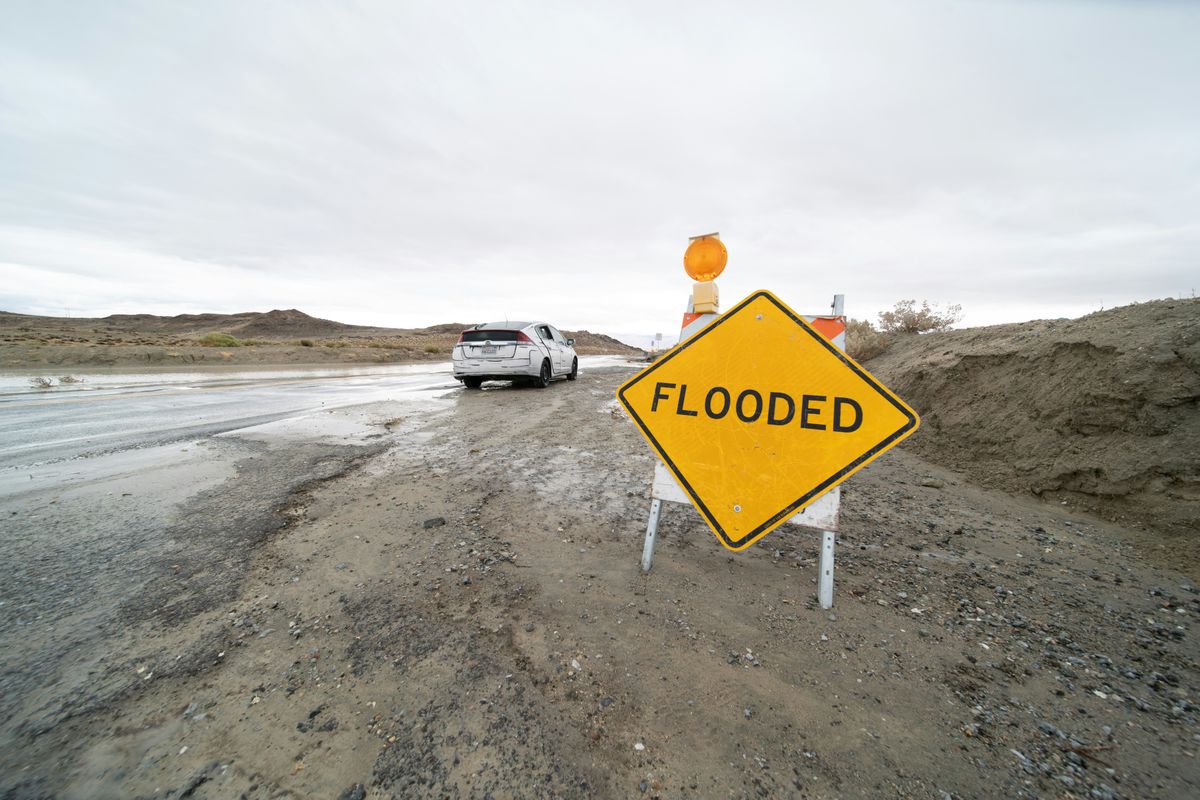
Most people picture drought when they think about the Central Valley. Then 2023 happened. Atmospheric rivers and a record Sierra snowpack sent water rushing across the valley floor, and in March of that year, both directions of Highway 99 were closed by flooding near Earlimart in Tulare County. Over the following months, the long-dry Tulare Lake returned to cover roughly 111,000 acres, swamping farmland, roads, and homes.
Those events left many local homeowners asking the same question: does homeowners insurance cover flooding? In most cases, it doesn't. Here's what Central Valley homeowners should know about flood insurance in California, how to check your risk, and how to get covered before the next wet winter.
Key Takeaways
Standard homeowners policies, and the California FAIR Plan, do not cover flood damage.
Flood insurance is a separate policy, available through the National Flood Insurance Program (NFIP) or private insurers.
NFIP policies for homeowners cover up to $250,000 for the building and $100,000 for contents.
Most new flood policies have a 30-day waiting period, so you can't wait until the storm is in the forecast.
You don't have to live in a high-risk flood zone to flood. Check your address on FEMA's flood maps and talk to an agent.
Does Homeowners Insurance Cover Flooding?
No, standard homeowners insurance generally does not cover flood damage. The California Department of Insurance notes that flood coverage protects against events not usually covered by standard homeowners insurance. That includes rising water from overflowing rivers, canals, and lakes, as well as heavy rain that pools around and enters your home.
It's an easy gap to miss. Many homeowners assume "water damage" is covered, but there's an important difference:
Usually covered by homeowners insurance: sudden, accidental water damage from inside the home, like a burst pipe or a failed water heater.
Not covered by homeowners insurance: water that enters from outside because of flooding, surface water, or overflowing waterways.
The same exclusion applies if your home is insured through the California FAIR Plan. Flood and earthquake both require separate policies.
What Flood Risk Looks Like in the San Joaquin Valley
The southern San Joaquin Valley sits in a natural basin. Before the land was drained for farming, Tulare Lake was one of the largest freshwater lakes west of the Mississippi. When big snow years melt fast, water from the Kings, Kaweah, Tule, and Kern rivers can find its way back to low-lying ground.
Flood risk in the Central Valley can come from several sources:
River and creek overflow during heavy rain or rapid snowmelt.
Levee or canal breaches in agricultural areas.
Flash flooding and pooling in neighborhoods where storm drains are overwhelmed.
Debris flows and mudflows in foothill communities after wildfires strip away vegetation.
Floods also don't follow flood zone lines exactly. Homes outside designated high-risk areas can and do flood, which is why the California Department of Insurance encourages homeowners to evaluate their flood risk even if they're not in a high-risk zone.
How to Check Your Flood Zone
You can look up your property on the FEMA Flood Map Service Center, the official public source for flood hazard information. Enter your address to see whether your home is in a high-risk Special Flood Hazard Area or a moderate- to low-risk zone.
If you're in a high-risk zone and have a mortgage from a federally regulated or insured lender, your lender will typically require flood insurance. If you're in a lower-risk zone, flood insurance is optional but often more affordable, since premiums reflect the lower risk.
How Flood Insurance Works in California
Flood insurance in California is available from two main sources:
Backed by: NFIP Flood Policy: FEMA's National Flood Insurance Program; Private Flood Policy: Private insurance companies
Building coverage (homeowners): NFIP Flood Policy: Up to $250,000; Private Flood Policy: Varies; may offer higher limits
Contents coverage: NFIP Flood Policy: Up to $100,000; Private Flood Policy: Varies
Waiting period: NFIP Flood Policy: Generally 30 days; Private Flood Policy: Varies by insurer
Additional living expenses: NFIP Flood Policy: Not included; Private Flood Policy: Sometimes available
NFIP coverage limits and the 30-day waiting period come from FEMA's FloodSmart program. There are a few exceptions to the waiting period, such as buying flood coverage at the same time as a new mortgage.
A few other limitations to know: NFIP policies don't cover property outside the insured building, like landscaping, fences, decks, pools, and septic systems, and coverage for belongings kept in a basement is limited.
Do You Need Flood Insurance in California?
You should strongly consider flood insurance if:
Your home is in or near a FEMA high-risk flood zone.
You live near a river, creek, canal, levee, or the old Tulare Lake basin.
Your neighborhood has had standing water or street flooding before.
You live in a foothill community recently affected by wildfire.
You couldn't afford to repair or rebuild after a flood using savings alone.
Even a few inches of water can ruin flooring, drywall, cabinets, and appliances. Since federal disaster assistance is limited and often comes as a loan that must be repaid, flood insurance is usually the most reliable way to recover.
Don't Wait Until the Rain Starts
With a 30-day waiting period on most new policies, the best time to buy flood insurance is before the wet season ramps up, not when a storm shows up in the forecast. At Abraham Guillen Insurance, we've helped Central Valley families protect their homes for more than 28 years. We can review your homeowners insurance, explain your flood options, and help you build a plan for other natural disaster coverage, including earthquake protection. Call (559) 839-2020 or contact our office to get started.
FAQ
Is flood insurance required in California?
It's not required by state law, but lenders typically require it for homes in high-risk flood zones with federally backed mortgages. For everyone else, it's optional and often recommended.
How much does flood insurance cost in California?
Cost depends on your home's flood risk, elevation, construction, and coverage amounts. Homes in lower-risk zones generally pay less than homes in high-risk areas.
Can renters get flood insurance?
Yes. Renters can buy contents-only flood coverage. Through the NFIP, contents coverage goes up to $100,000.
Does flood insurance cover mudflow?
NFIP policies can cover certain mudflow events, which matters for foothill homes after wildfires. Ask your agent how mudflow is defined in your policy.