
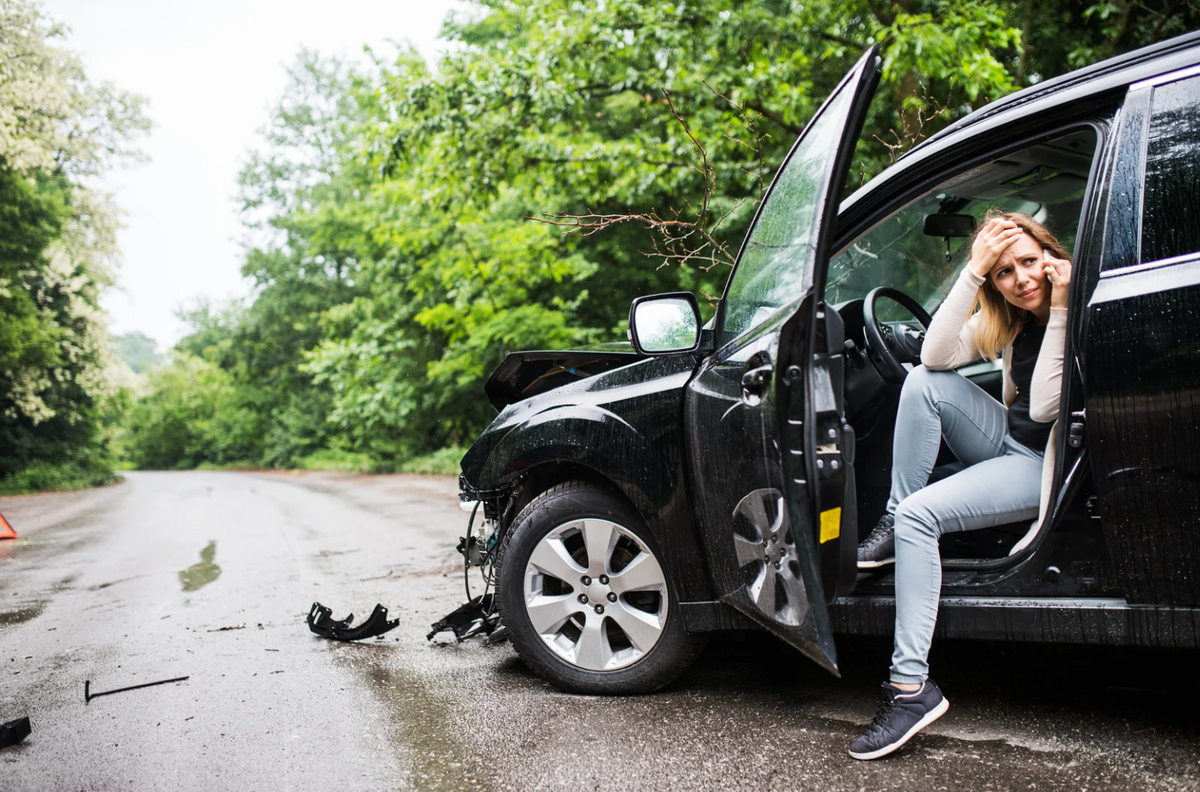
Even a minor fender bender can leave you shaken, and it's hard to think clearly with your heart pounding on the shoulder of Highway 99. Knowing what to do after a car accident ahead of time makes a real difference: it keeps you and your passengers safe, protects your legal rights, and helps your insurance claim move faster.
This guide walks you through each step in order, from the first minutes at the scene to the paperwork California requires in the days that follow. Save it on your phone or print the checklist at the bottom and keep it in your glove box.
Key Takeaways
Safety comes first: check for injuries, call 911 if anyone is hurt, and move out of traffic if it's safe to do so.
California law requires you to stop, exchange information, and report injury crashes to police or the CHP.
You must file an SR-1 form with the DMV within 10 days if anyone was injured or property damage exceeds $1,000.
Photos, witness contacts, and a police report number are the strongest evidence for your claim.
Avoid admitting fault at the scene. Stick to the facts and let insurers sort out liability.
What to Do After a Car Accident: 8 Steps in Order
1. Stop and Check for Injuries
California law requires every driver involved in a collision to stop at the scene. Leaving can turn a simple accident into a hit-and-run charge. Once you've stopped, check yourself and your passengers for injuries, then check on the people in the other vehicle if you can do so safely.
If anyone is hurt, complains of pain, or seems confused, call 911 right away. Some injuries, like whiplash or concussions, don't show symptoms until hours later, so take any complaint seriously.
2. Make the Scene Safe
If the cars are drivable and no one is seriously injured, move them to the shoulder or a nearby parking lot to prevent a second collision. Turn on your hazard lights. If you have road flares or reflective triangles, set them out behind your vehicle, especially at night or in Tule fog, which can drop visibility to almost nothing on Valley roads in winter.
If a car can't be moved or someone is injured, leave the vehicles where they are, stay in a safe spot away from traffic, and wait for help.
3. Call the Police or CHP
Call 911 for any crash involving injuries. For non-injury crashes, you can call the local police non-emergency line or the California Highway Patrol if you're on a highway or in an unincorporated area. An officer may not respond to every minor collision, but asking for a report number, or filing a report yourself, creates an official record that helps your claim.
4. Exchange Information With the Other Driver
California drivers are required to exchange information after a collision. Collect the following from every driver involved:
Full name and phone number
Driver's license number
Insurance company and policy number
Vehicle make, model, color, and license plate
Vehicle owner's name and address, if different from the driver
Be polite, but keep the conversation to the facts. Don't apologize or say the accident was your fault, even casually. Fault is determined later based on evidence, and an offhand comment can complicate your claim.
5. Document Everything
Your phone is your best tool here. Take photos and short videos of:
Damage to all vehicles, from several angles
License plates of every vehicle involved
The overall scene, including traffic signs, signals, skid marks, and road conditions
Any visible injuries
If there are witnesses, ask for their names and phone numbers. Then jot down (or record a voice memo of) what happened while it's fresh: the time, location, direction each car was traveling, and weather.
6. Get Checked Out by a Doctor
Even if you feel fine, consider getting evaluated by a doctor or urgent care within a day or two. Adrenaline can mask pain, and having medical records created soon after the accident makes it easier to connect any injury to the crash if you need to file a claim.
7. Report the Accident to Your Insurance Agent
Notify your insurance company as soon as possible. Most policies require prompt reporting, and the sooner you start the claim, the sooner repairs and rental coverage can get moving. Have your photos, the other driver's information, and the police report number ready.
Your local agent can help you understand which parts of your auto insurance apply, such as collision coverage, medical payments, rental reimbursement, or uninsured motorist coverage if the other driver has no insurance.
8. File an SR-1 With the DMV (If Required)
This is the step many California drivers miss. According to the California DMV, you must file a Report of Traffic Accident Occurring in California (Form SR-1) within 10 days if:
Anyone was injured, no matter how minor, or killed, or
Property damage to any one person's property was more than $1,000
The SR-1 is separate from any police report or insurance claim. You (or your insurance agent, broker, or legal representative) are responsible for filing it, regardless of who was at fault. Failing to file can result in a suspended license. With today's repair costs, even a small dent can easily exceed the $1,000 threshold, so when in doubt, file.
What Not to Do After a Car Accident
Don't leave the scene before exchanging information and, when required, speaking with police.
Don't admit fault or sign anything at the scene other than official police paperwork.
Don't post about the accident on social media. Photos and comments can be used to dispute your claim.
Don't accept cash to skip insurance. Damage often costs more than it looks, and hidden injuries can surface later.
Don't give a recorded statement to the other driver's insurer before talking with your own agent.
Printable Car Accident Checklist for California Drivers
Print this car accident checklist and keep it in your glove box with your registration and proof of insurance.
☐ Step 1: Stop, check for injuries, and call 911 if anyone is hurt
☐ Step 2: Turn on your hazards and move to safety if the cars are drivable
☐ Step 3: Call police or CHP and get a report number
☐ Step 4: Exchange names, license, insurance, and plate numbers
☐ Step 5: Photograph vehicles, plates, the scene, and any injuries
☐ Step 6: Collect witness names and phone numbers
☐ Step 7: Get a medical evaluation within 1–2 days
☐ Step 8: Call your insurance agent to start the claim
☐ Step 9: File DMV Form SR-1 within 10 days if anyone was injured or damage is over $1,000
Make Sure You're Covered Before an Accident Happens
The best time to check your coverage is before you need it. California raised its minimum liability limits in 2025 to $30,000 per person, $60,000 per accident for bodily injury, and $15,000 for property damage. That's a floor, not a recommendation. A serious crash can easily exceed those amounts and leave you personally responsible for the difference.
At Abraham Guillen Insurance, we've helped Visalia and Central Valley drivers for more than 28 years. If you'd like a second set of eyes on your policy, or you need help after an accident, contact our office or call (559) 839-2020.
FAQ
Do I have to report a minor car accident in California?
If no one was hurt and damage is $1,000 or less, you generally don't have to file an SR-1 with the DMV. You should still exchange information and notify your insurer, since minor damage often costs more to repair than expected.
How long do I have to file an insurance claim after an accident?
Policies usually require "prompt" notice rather than a fixed number of days. Report the accident as soon as you can, ideally the same day, to avoid delays or coverage disputes.
What if the other driver doesn't have insurance?
Uninsured motorist coverage on your own policy can help pay for your injuries, and in some cases your vehicle damage. Collision coverage can also pay for repairs to your car, minus your deductible.
Should I call the police for a small accident?
Call 911 if anyone is injured. For minor, non-injury crashes, calling the non-emergency line or CHP to create a report is still a smart move because it gives your insurer an official record.