
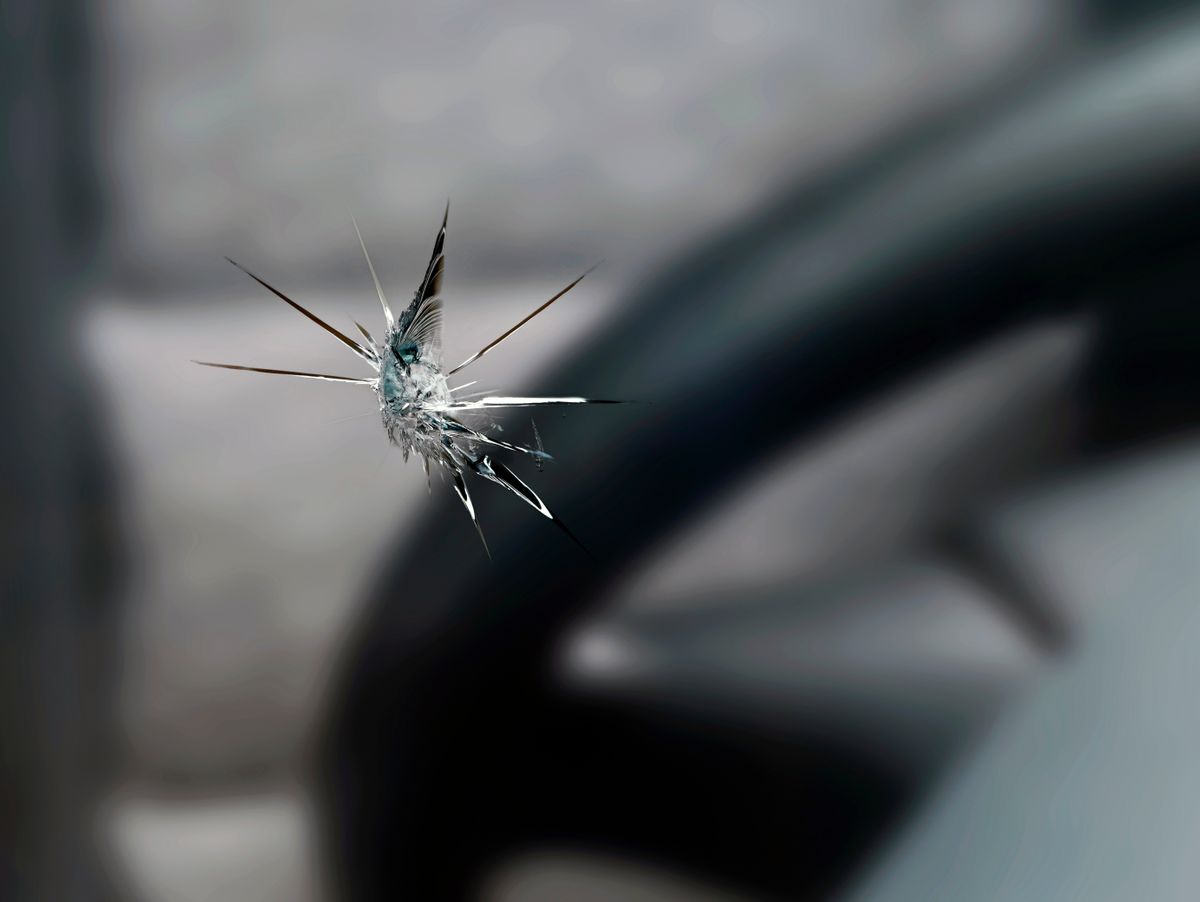
One minute you're cruising down Highway 99 behind a gravel truck, and the next you hear a sharp crack. Rock chips are a fact of life on Central Valley roads, with farm equipment, construction zones, and trucks hauling loads on every route. So does insurance cover a cracked windshield? In most cases, yes, if you carry the right coverage.
Here's how glass claims work in California, what your deductible means for a small chip versus a full replacement, and how to decide whether to file a claim at all.
Key Takeaways
Windshield damage is usually covered under comprehensive coverage, not liability or collision.
Your comprehensive deductible applies unless you have full glass coverage or your insurer waives it for repairs.
California doesn't require insurers to offer zero-deductible windshield replacement, so full glass coverage is an optional add-on where available.
Small chips can often be repaired quickly and cheaply. Large or spreading cracks usually mean replacement.
Driving with a windshield crack that impairs your view can get you cited under California law.
Does Insurance Cover a Cracked Windshield?
Yes, a cracked windshield is typically covered if you have comprehensive coverage on your auto policy. Comprehensive pays for damage to your car from events other than a collision, such as falling objects, flying debris, theft, vandalism, and weather. A rock kicked up by another vehicle falls into that category.
Comprehensive coverage will pay to repair your windshield if it's cracked or shattered, and some insurers offer the glass portion without a deductible. If you carry only liability insurance, which is California's legal minimum, your policy won't pay to fix your own windshield. Liability only covers damage you cause to others.
How Your Deductible Affects a Windshield Claim
Your comprehensive deductible is the amount you pay before insurance kicks in. That makes a big difference for glass claims, because many windshield repairs cost less than a typical deductible.
If your deductible is $500 and replacement costs $450, filing a claim won't help. You'll pay the full cost either way.
If your deductible is $250 and replacement costs $1,200, insurance pays the difference after your deductible.
If your insurer waives the deductible for chip repair, you may pay nothing for a quick fix.
Replacement costs have climbed as newer vehicles have added features built into the windshield, like rain sensors, heads-up displays, and cameras for lane-keeping and automatic braking. Those cameras often need to be recalibrated after a new windshield goes in, which adds to the bill. That's one reason comprehensive coverage matters more than it used to for glass.
What Is Full Glass Coverage in California?
Full glass coverage is an optional add-on that removes or reduces your deductible for glass damage, so a covered windshield repair or replacement costs you little or nothing out of pocket. A few states require insurers to waive the deductible on windshield claims, but California isn't one of them.
In California, whether full glass coverage is available, and what it costs, depends on your insurance company. If you drive rural roads, commute long distances, or follow trucks and farm equipment regularly, it's worth asking your agent whether it's offered and how it compares to simply lowering your comprehensive deductible.
Repair vs. Replace: What's the Difference?
Not every crack means a new windshield. Glass shops generally decide based on the size, type, and location of the damage.
Size: Usually Repairable: Small chips or a short crack (often a few inches or less); Usually Needs Replacement: Long cracks that run across the glass
Location: Usually Repairable: Outside the driver's direct line of sight; Usually Needs Replacement: Directly in the driver's view or at the edge of the glass
Depth: Usually Repairable: Damage limited to the outer layer of glass; Usually Needs Replacement: Damage through both layers or the inner layer
Number of chips: Usually Repairable: One or two small chips; Usually Needs Replacement: Multiple chips or cracks
Technology: Usually Repairable: No sensors affected; Usually Needs Replacement: Damage near cameras or sensors that need recalibration
Repairing a chip early is usually the cheapest move. Temperature swings, like a hot Visalia afternoon followed by a cool evening or blasting the defroster on a foggy morning, can make a small chip spread into a long crack.
Is It Legal to Drive With a Cracked Windshield in California?
California Vehicle Code Section 26710 makes it illegal to drive with a windshield or rear window in a condition that impairs the driver's vision. A tiny chip off to the side usually isn't a problem, but a crack across your line of sight can get you pulled over and cited. More importantly, a damaged windshield is weaker, and the windshield plays a role in keeping the roof from collapsing in a rollover and helping airbags deploy correctly.
How to File a Windshield Claim
Photograph the damage and note when and where it happened.
Check your policy for comprehensive coverage, your deductible, and any glass coverage add-on.
Compare the repair cost to your deductible. If it's lower, paying out of pocket may be simpler.
Call your agent to start the claim and ask whether you can choose your glass shop.
Ask about camera recalibration if your car has driver-assist features.
Make Sure Your Policy Covers Glass Damage
A rock chip shouldn't turn into a surprise bill. At Abraham Guillen Insurance, we've helped Central Valley drivers choose the right coverage for more than 28 years. We'll review your auto insurance, explain your comprehensive deductible, and check whether glass coverage options make sense for how you drive. For another common comprehensive claim on Valley roads, see our guide to hitting a deer. Contact our Visalia office or call (559) 839-2020.
FAQ
Will a windshield claim raise my insurance rates?
Glass claims are filed under comprehensive and are generally considered not-at-fault, so they're less likely to affect your rates than an at-fault accident. Policies vary, so ask your agent how claims are handled with your insurer.
Does collision coverage pay for a cracked windshield?
Only if the windshield broke in a collision, such as hitting another car or a pole. Damage from road debris, weather, or vandalism falls under comprehensive.
How long can I wait to fix a windshield chip?
Sooner is better. Chips can spread with heat, cold, and road vibration, turning a small repair into a full replacement.
Can I choose my own glass shop?
In many cases, yes. Check with your insurer or agent before scheduling the work so the claim goes smoothly.